


.png)
The implementation of electronic notarization in the Philippines represents a major step toward modernizing legal processes. Through regulations issued by the Supreme Court of the Philippines, notarization is now permitted in a secure digital environment, provided that specific standards and roles are strictly followed.
To fully understand how electronic notarization operates, it is essential to clarify three foundational components: the Electronic Notary Public (ENP), the Electronic Notary Facility (ENF), and the Electronic Notary Administrator (ENA).
Electronic Notary Public (ENP)
An Electronic Notary Public (ENP) is a duly commissioned notary who is authorized to perform notarization in electronic form.
A lawyer does not automatically become an ENP by virtue of holding a traditional notarial commission. The notary must comply with additional requirements prescribed by the Supreme Court and must conduct electronic notarizations using an accredited Electronic Notary Facility.
The core responsibilities of the ENP remain consistent with traditional notarization, including:
- Verifying the identity of the signatory
- Ensuring that the document is executed voluntarily
- Confirming the authenticity of the act
- Preventing fraud and coercion
The primary distinction lies in the process: instead of physical documents and wet signatures, authentication and execution are carried out through secure digital systems. However, the legal accountability and professional responsibility of the ENP remain the same.
Electronic Notary Facility (ENF)
An Electronic Notary Facility (ENF) is a secure digital platform accredited by the Supreme Court of the Philippines to conduct electronic notarizations.
An ENF must comply with strict technical and regulatory standards to ensure the validity and integrity of electronically notarized documents. These standards generally include:
- Secure identity verification mechanisms
- Tamper-evident document protection
- Audio-visual recording capability when required by the rules
- Encrypted storage and audit trails
- Compliance with data privacy laws
The ENF serves as the technological infrastructure that enables electronic notarization to function within the bounds of the law. Without accreditation from the Supreme Court, a platform cannot legally operate as an official electronic notary system.
Electronic Notary Administrator (ENA)
The Electronic Notary Administrator (ENA) is responsible for overseeing the implementation, monitoring, and compliance of electronic notarization systems.
The ENA ensures that:
- The Electronic Notary Facility adheres to Supreme Court standards
- Security and system controls are properly maintained
- Regulatory requirements are continuously observed
- Records and documentation are securely preserved
This supervisory role is essential in maintaining public trust in electronic notarization. While the ENP performs the notarization itself, the ENA ensures that the system within which it operates remains compliant, secure, and reliable.
Accredited Electronic Notary Facilities in Practice
In the Philippine setting, accredited Electronic Notary Facilities play a crucial role in enabling lawyers to comply with electronic notarization requirements. These platforms are designed to meet the standards set by the Supreme Court of the Philippines and provide the necessary infrastructure for secure digital notarization.
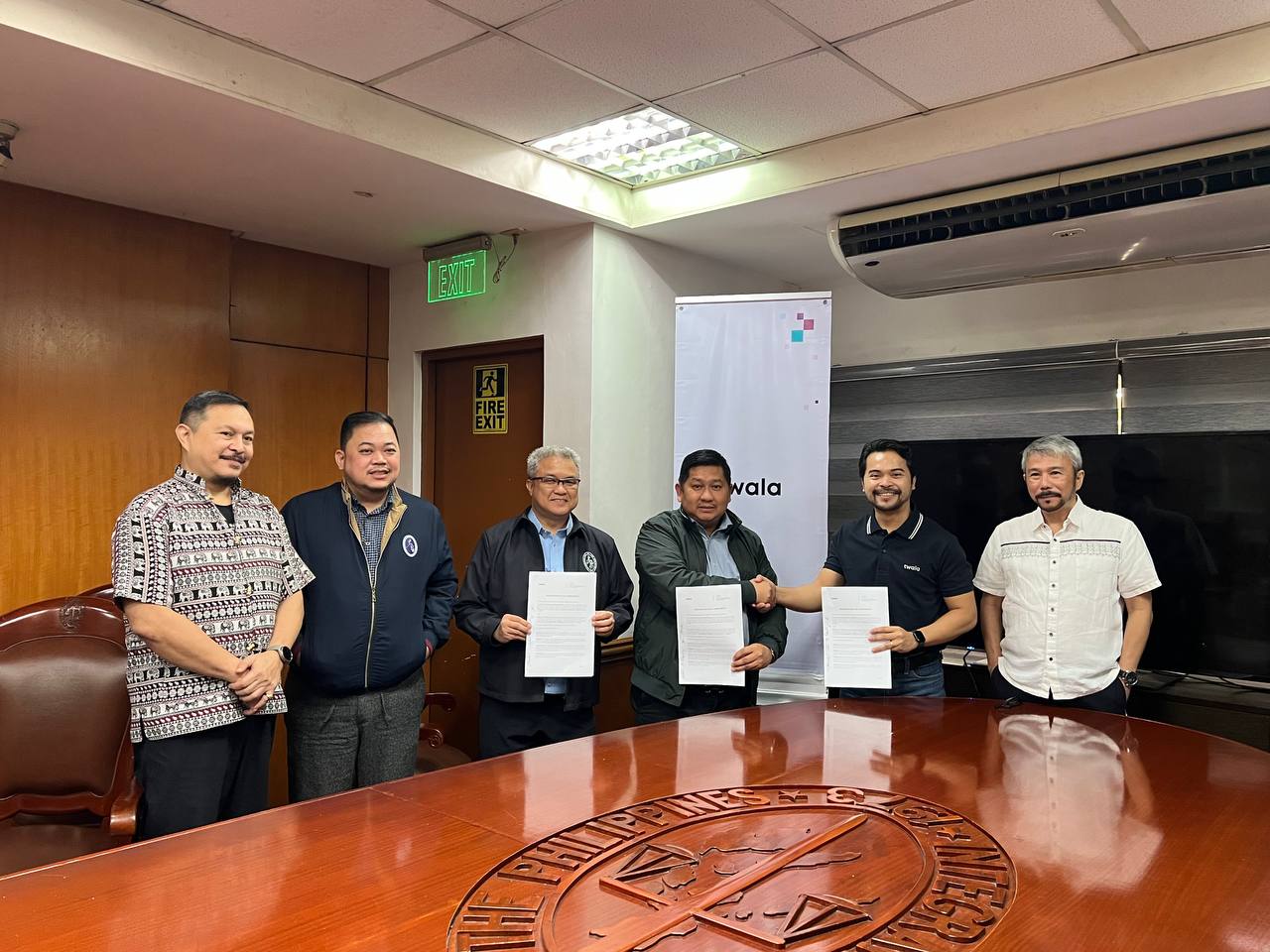
Twala is an Electronic Notary Facility (ENF) in the Philippines. As an ENF, it operates within the framework established by the Supreme Court for electronic notarization.
%20(1).png)
.png)